

THE IRELAND THAT WE DREAMED... (METH)

0xbe807bdb422fcbe5f2cb60aaf2cc8df5fd0cd1ff
Presale Live
Started at Jun 23, 2026
About THE IRELAND THAT WE DREAMED...
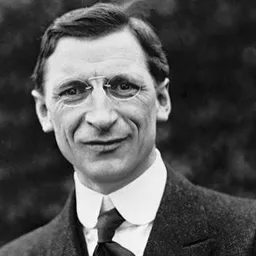
The famous "dancing at the crossroads" phrase attributed to Irish Taoiseach Éamon de Valera is actually a historical misquotation. He delivered the broadcast, officially titled "The Ireland That We Dreamed Of," over Radio Éireann on 17 March 1943 (St. Patrick's Day). Over time, popular culture compressed his actual words into the iconic phrase: "comely maidens dancing at the crossroads."What He Actually SaidDe Valera never used the words "comely maidens" or "crossroads" in the broadcast. Instead, his exact words describing his pastoral, idealized vision for Ireland were:"The ideal Ireland that we would have, the Ireland that we dreamed of, would be the home of a people who valued material wealth only as a basis for right living, of a people who, satisfied with frugal comfort, devoted their leisure to the things of the spirit – a land whose countryside would be bright with cosy homesteads, whose fields would be joyous with the sounds of industry, with the romping of sturdy children, the contests of athletic youths and the laughter of happy maidens, whose firesides would be the forums for the wisdom of serene old age."Why the Myth Created "Crossroads"The collective memory likely added "crossroads" because crossroads dancing was a highly visible, traditional social custom in rural Ireland during the late 19th and early 20th centuries. By merging his actual phrase ("laughter of happy maidens") with a well-known rural tradition, the public created a shorthand caricature of his vision.Historical Context and IronyThe Emergency: The speech was broadcast during World War II (known in Ireland as "The Emergency"). De Valera used the address to boost national morale and emphasize self-reliance, spiritual fortitude, and Irish neutrality.The Dance Halls Act: There is severe historical irony in the popular association. Just eight years prior, de Valera's own government passed the Public Dance Halls Act of 1935. Driven by pressure from the Catholic clergy, this legislation heavily restricted spontaneous outdoor dances—effectively outlawing the very crossroads dancing he is mistakenly remembered for promoting.Cultural LegacyToday, the misquote is used frequently in Irish political and cultural commentary as a satirical symbol for an outdated, romanticized, and isolationist view of 20th-century rural Ireland. You can listen to the original audio archive of the broadcast on the RTÉ Archives website.Would you like to explore how the 1935 Dance Halls Act changed Irish social life, or should we look into the political reaction to his stance on WWII neutrality?
In case of missing or misleading information pleaseID: 230548

0

0

0
 Check Contract
 THE IRELAND THAT WE DREAMED... FAQ
Is THE IRELAND THAT WE DREAMED... a scam?
What is THE IRELAND THAT WE DREAMED... contract address?
Launched on Jun 23, 2026
In case of missing or misleading information please