

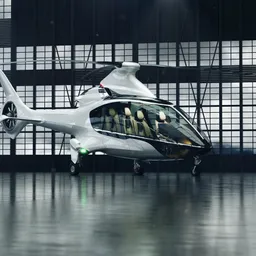
Helicopter model Geo 5 type... (HELI)

0xff4c0a3f27a9edf6eeeab75d1fd3eacd52f308ed
Presale Live
Started at Apr 6, 2026
About Helicopter model Geo 5 type...
The concept of a helicopter combining a 7-blade rotor system with a 6-block (3x2) Mazda rotary engine and hydrogen fuel is a highly specialized, heavy-lift design concept. While no single production aircraft currently combines all these features, the individual technologies have been demonstrated in aviation, particularly in the heavy-lift category exemplified by the Sikorsky CH-53E Super Stallion, which features a 7-blade rotor, 3 engines, and a 36,000+ lb lift capacity.
Wikipedia
Wikipedia
+1
Helicopter Math & 7-Blade Rotor Capacity
Purpose of 7 Blades: As helicopters get larger, adding more blades is necessary for increased lift without requiring an excessively large diameter (which causes tip speed and clearance issues).
Performance: A 7-blade rotor system allows the helicopter to lift heavier payloads (e.g., 36,000–37,000+ lbs for the CH-53E).
Rotor Load Distribution: A seven-bladed rotor reduces the lift required per blade, allowing for higher gross weights in heavy-lift cargo helicopters.
Reddit
Reddit
+3
Mazda Rotary Engine & 3-Rotor Power
Suitability for Aircraft: Mazda rotary engines (Wankel type) are known for high power-to-weight ratios, compactness, and low vibration compared to reciprocating engines.
Rotor Configuration: A 3-rotor rotary engine (or a 6-rotor system if 3x2, likely referring to a complex multi-bank setup) provides superior balance and high RPM torque suitable for a helicopter's direct drive or transmission.
Rotary-Powered Helicopters: Modified Mazda rotary engines have successfully powered experimental helicopters, such as a Rotorway Scorpion and a Berger BX-110, which utilized Mazda RX-7 engines.
Hydrogen Fuel & Rotary Hydrogen Fuel System
Hydrogen Fueling in Aviation: Hydrogen is used in both fuel cells and directly in combustion engines. Hydrogen-powered helicopters have recently achieved successful flights (e.g., modified Robinson R44).
Hydrogen Rotary Advantage: The rotary engine's geometry is suitable for charge stratification, which can aid in efficient hydrogen combustion, reducing the tendency to pre-ignite.
Fuel Storage: A 3-rotor rotary engine designed for hydrogen would likely require liquid hydrogen storage to manage the lower energy density of gaseous hydrogen, similar to prototypes being developed by firms like H2Fly.
Vertical Mag
Vertical Mag
+3
Lift Capacity Estimation (Conceptual Design)
A massive 6-block/multi-rotor rotary system (such as a 3-rotor Mazda-type unit) could potentially generate power levels exceeding 600-1000 hp. When mated with a 7-blade rotor, this could support a heavy utility helicopter design capable of lifting 15,000 lbs to over 30,000 lbs, similar to the CH-53E, depending on the engine's final power output and the overall vehicle's structural weight.
Wikipedia
Wikipedia
+1
Helicopter Math & 7-Blade Rotor Capacity
Purpose of 7 Blades: As helicopters get larger, adding more blades is necessary for increased lift without requiring an excessively large diameter (which causes tip speed and clearance issues).
Performance: A 7-blade rotor system allows the helicopter to lift heavier payloads (e.g., 36,000–37,000+ lbs for the CH-53E).
Rotor Load Distribution: A seven-bladed rotor reduces the lift required per blade, allowing for higher gross weights in heavy-lift cargo helicopters.
+3
Mazda Rotary Engine & 3-Rotor Power
Suitability for Aircraft: Mazda rotary engines (Wankel type) are known for high power-to-weight ratios, compactness, and low vibration compared to reciprocating engines.
Rotor Configuration: A 3-rotor rotary engine (or a 6-rotor system if 3x2, likely referring to a complex multi-bank setup) provides superior balance and high RPM torque suitable for a helicopter's direct drive or transmission.
Rotary-Powered Helicopters: Modified Mazda rotary engines have successfully powered experimental helicopters, such as a Rotorway Scorpion and a Berger BX-110, which utilized Mazda RX-7 engines.
Hydrogen Fuel & Rotary Hydrogen Fuel System
Hydrogen Fueling in Aviation: Hydrogen is used in both fuel cells and directly in combustion engines. Hydrogen-powered helicopters have recently achieved successful flights (e.g., modified Robinson R44).
Hydrogen Rotary Advantage: The rotary engine's geometry is suitable for charge stratification, which can aid in efficient hydrogen combustion, reducing the tendency to pre-ignite.
Fuel Storage: A 3-rotor rotary engine designed for hydrogen would likely require liquid hydrogen storage to manage the lower energy density of gaseous hydrogen, similar to prototypes being developed by firms like H2Fly.
Vertical Mag
Vertical Mag
+3
Lift Capacity Estimation (Conceptual Design)
A massive 6-block/multi-rotor rotary system (such as a 3-rotor Mazda-type unit) could potentially generate power levels exceeding 600-1000 hp. When mated with a 7-blade rotor, this could support a heavy utility helicopter design capable of lifting 15,000 lbs to over 30,000 lbs, similar to the CH-53E, depending on the engine's final power output and the overall vehicle's structural weight.
In case of missing or misleading information pleaseID: 225347

0

0

0
 Check Contract
 Helicopter model Geo 5 type... FAQ
Is Helicopter model Geo 5 type... a scam?
What is Helicopter model Geo 5 type... contract address?
Launched on Apr 6, 2026
In case of missing or misleading information please