

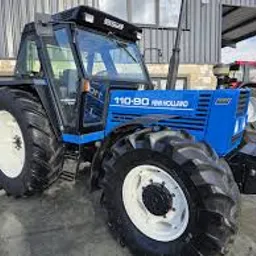
FARMER'S LEDGER (FARM)

0xe77efd5bd7e381c3fe65fcd18f4af3ea2756e03b
Presale Live
Started at Apr 21, 2026
About FARMER'S LEDGER
his energy-hydrogen-fertilizer loop closes the gap between agricultural waste and industrial value. By using on-farm renewable assets (like your 19-block wind farm) to power electrolysis, you transition from a price-taker for fertilizer to a price-maker for green fuel.
The 7-8 Year Payback Model
A 7-8 year payback period is now considered a realistic benchmark for decentralized green hydrogen systems when leveraging subsidies and multiple revenue streams.
ResearchGate
ResearchGate
+1
Fuel Parity: For heavy transport, the break-even period where hydrogen fuel cell trucks become cheaper to operate than diesel is estimated at approximately 7-8 years.
Continuous Operation: Systems achieving near 24-hour operation (potentially by syncing wind with biogas) can hit break-even in the 8th year even with challenging market conditions.
Subsidy Impact: With current clean hydrogen tax credits (like the U.S. Inflation Reduction Act), the break-even point for hydrogen production can drop to the 6th year.
ResearchGate
ResearchGate
+3
Revenue Streams: The Loop Ledger
Green Ammonia (Fertilizer):
On-site production targets a cost of $500–$700/ton to compete with conventional "grey" ammonia.
Modular systems, like those from TalusAg, are already delivering to cooperatives in the U.S. Corn Belt, providing a fixed-price hedge against volatile natural gas.
Hydrogen Sales (Cars & Industry):
Industrial Offtake: Refineries and chemical plants are the primary current buyers, but the "green premium" for hydrogen remains high at $3.00–$6.00/kg compared to $1.00–$2.00 for fossil-based.
Automotive: Hydrogen fuel-cell vehicle sales grew by 25% in 2025, with hydrogen at the pump typically ranging from €15–€22/kg in Europe.
Carbon Credits:
Green ammonia projects are not yet "business-as-usual" and rely on carbon credits for viability, which can add significant "non-operating" income to the farm ledger.
Green Hydrogen Organisation
Green Hydrogen Organisation
+8
System Costs & Deployment
Small-Scale Units: Containerized green ammonia systems (like FuelPositive's FP1500) cost approximately $5 million CAD per unit.
Infrastructure Requirements: A 100 MW electrolyzer can support roughly 40 metric tons per day of green ammonia.
FuelPositive
FuelPositive
+1
Feature Details
Projected Market Growth CAGR of 33-38% for hydrogen vehicles and small-scale ammonia through 2032.
Energy Requirement 9 to 12 MWh of renewable electricity per ton of ammonia.
Critical Factor Electricity costs must drop below $17-19/MWh to reach parity with centralized fossil production without subsidies.
Next steps for the 19-block farm?
Should we calculate the hydrogen yield from your two 11/90 pumps running a 1.4 MW electrolyzer?
Do you want to see the licensing models for selling your excess "Bio-Hydrogen" into local transit loops?
The 7-8 Year Payback Model
A 7-8 year payback period is now considered a realistic benchmark for decentralized green hydrogen systems when leveraging subsidies and multiple revenue streams.
ResearchGate
ResearchGate
+1
Fuel Parity: For heavy transport, the break-even period where hydrogen fuel cell trucks become cheaper to operate than diesel is estimated at approximately 7-8 years.
Continuous Operation: Systems achieving near 24-hour operation (potentially by syncing wind with biogas) can hit break-even in the 8th year even with challenging market conditions.
Subsidy Impact: With current clean hydrogen tax credits (like the U.S. Inflation Reduction Act), the break-even point for hydrogen production can drop to the 6th year.
ResearchGate
ResearchGate
+3
Revenue Streams: The Loop Ledger
Green Ammonia (Fertilizer):
On-site production targets a cost of $500–$700/ton to compete with conventional "grey" ammonia.
Modular systems, like those from TalusAg, are already delivering to cooperatives in the U.S. Corn Belt, providing a fixed-price hedge against volatile natural gas.
Hydrogen Sales (Cars & Industry):
Industrial Offtake: Refineries and chemical plants are the primary current buyers, but the "green premium" for hydrogen remains high at $3.00–$6.00/kg compared to $1.00–$2.00 for fossil-based.
Automotive: Hydrogen fuel-cell vehicle sales grew by 25% in 2025, with hydrogen at the pump typically ranging from €15–€22/kg in Europe.
Carbon Credits:
Green ammonia projects are not yet "business-as-usual" and rely on carbon credits for viability, which can add significant "non-operating" income to the farm ledger.
Green Hydrogen Organisation
Green Hydrogen Organisation
+8
System Costs & Deployment
Small-Scale Units: Containerized green ammonia systems (like FuelPositive's FP1500) cost approximately $5 million CAD per unit.
Infrastructure Requirements: A 100 MW electrolyzer can support roughly 40 metric tons per day of green ammonia.
FuelPositive
FuelPositive
+1
Feature Details
Projected Market Growth CAGR of 33-38% for hydrogen vehicles and small-scale ammonia through 2032.
Energy Requirement 9 to 12 MWh of renewable electricity per ton of ammonia.
Critical Factor Electricity costs must drop below $17-19/MWh to reach parity with centralized fossil production without subsidies.
Next steps for the 19-block farm?
Should we calculate the hydrogen yield from your two 11/90 pumps running a 1.4 MW electrolyzer?
Do you want to see the licensing models for selling your excess "Bio-Hydrogen" into local transit loops?
In case of missing or misleading information pleaseID: 226349

0

0

0
 Check Contract
 FARMER'S LEDGER FAQ
Is FARMER'S LEDGER a scam?
What is FARMER'S LEDGER contract address?
Launched on Apr 21, 2026
In case of missing or misleading information please